Insulation Cost in Orange, CA
Transparent Insulation Cost Pricing for Orange, CA Homeowners — Free Estimates
Insulation cost in Orange, CA depends on the material you choose, the area of your home being treated, and the condition of what is already there. Home Comfort Insulation, an insulation contractor serving Orange, California, provides free inspections so homeowners get a written quote based on their actual home — not a national average. This guide explains every cost driver and links to detailed pages for each insulation type so you can research the work that matters most to your home. When you want to see how the options stack up, our page on materials compares them side by side.
How much will insulation cost in Orange, CA?
The total cost of insulation in Orange, CA is shaped by your home's size, the material installed, and the access conditions our technicians encounter on inspection day. No two homes are identical — a 1940s craftsman bungalow near Old Towne Orange has different wall construction and attic pitch than a 1990s tract home in the Hills. That difference translates directly into labor hours and material quantities, which is why we do not publish flat prices.
What you can rely on: home insulation cost is driven by four high-level inputs.
- Material type — fiberglass batts carry a different price point than rockwool or spray foam, which has its own attic installation page covering how it is used in Orange homes.
- Square footage treated — attic, walls, crawl space, and garage are priced per area.
- Existing insulation condition — old, rodent-damaged, or contaminated insulation must be removed before new material goes in.
- Access difficulty — low-pitch attics, sealed crawl spaces, and finished walls require more labor time.
Read moreShow less
Orange County homeowners also benefit from California's energy efficiency programs, which can offset part of the project cost — something we can walk you through during your free estimate. Understanding exactly how much each square foot of material costs is the logical next step.
At a glance
Insulation cost per square foot by material
Every insulation material carries its own installed cost per square foot, which reflects both the raw material and the labor method required to place it correctly.
| Material | Typical Application | Installed Cost Per Sq Ft | R-Value Range |
|---|---|---|---|
| Fiberglass batt | Walls, attic floors, floors over crawl spaces | Contact us for a written quote | R-11 to R-38 |
| Blown-in cellulose | Attic floors, existing wall cavities | Contact us for a written quote | R-13 to R-60+ |
| Spray foam (open-cell) | Attic roof decks, interior walls, rim joists | Contact us for a written quote | R-3.5 to R-3.7 per inch |
| Spray foam (closed-cell) | Crawl spaces, garages, exterior walls | Contact us for a written quote | R-6 to R-7 per inch |
| Rockwool / mineral wool | Walls, soundproofing applications | Contact us for a written quote | R-15 to R-30 |
| Foam board / rigid insulation | Garage doors, exterior sheathing, foundation walls | Contact us for a written quote | R-4 to R-6.5 per inch |
We fill in exact figures after a free inspection, because installed cost depends on attic height, wall depth, and existing conditions unique to your Orange, CA home.
Knowing the per-square-foot range is a starting point — but the factors that move your quote up or down within any range are equally important to understand.
Free, no-obligation estimates
Talk to Home Comfort Insulation
Tell us what you need and we’ll take it from there.
At a glance
What factors change the price of insulation?
The final insulation price for any Orange home is adjusted by a set of measurable site conditions our technicians assess during a free inspection.
| Cost Factor | Why It Matters | Direction of Effect |
|---|---|---|
| Total area to be insulated (sq ft) | More area means more material and labor hours | Higher total; lower cost per sq ft at scale |
| Old insulation removal | Rodent damage, mold, or compressed batts must be cleared before new material is effective | Increases project cost |
| Attic pitch and clearance | Low-slope roofs common in Orange County ranch homes slow labor significantly | Increases labor cost |
| Wall access method | Closed walls require drilling and patching vs. open stud bays in a renovation | Increases cost for retrofit work |
| Material R-value target | California Title 24 requires specific minimums; exceeding them costs more but saves more long-term | Higher R-value = higher material cost |
| Crawl space condition | Standing moisture, damaged vapor barriers, or rodent activity add remediation steps | Increases project scope |
| Number of locations treated | Combining attic + walls + crawl space in one visit reduces mobilization cost per area | Can lower blended cost per sq ft |
| Permits | City of Orange building permits may be required for certain scopes; we advise on this during inspection | Adds fixed permit fee |
Orange County's warm, dry summers and mild winters mean many homes were built with less insulation than colder climates demand — which often means more area needs upgrading than homeowners expect. Knowing the scope of your whole home helps put that total investment in context.
At a glance
How much to insulate a 3 bed house?
A typical three-bedroom house in Orange, CA falls between 1,200 sq ft and 2,000 sq ft of living space, though the insulated area treated depends on which surfaces are addressed — attic only, full house, or a combination.
Rather than state invented totals, the table below shows the variables that determine a whole-house quote for homes of three common sizes.
| Home Size | Likely Attic Area | Wall Linear Footage | Crawl Space or Slab | Quote Basis |
|---|---|---|---|---|
| Small (under 1,400 sq ft) | ~700–900 sq ft | Lower perimeter | Often slab-on-grade | Free written quote after inspection |
| Mid-size (1,400–2,200 sq ft) | ~900–1,400 sq ft | Moderate perimeter | Crawl space common pre-1980 | Free written quote after inspection |
| Large (2,200+ sq ft) | ~1,200–2,000 sq ft | Larger perimeter; possible bonus room | Varies by build era | Free written quote after inspection |
A practical decision rule: if your Orange home was built before 1980, all three zones — attic, walls, and crawl space — likely need attention. Homes built between 1980 and 2000 often have adequate wall insulation but under-performing attic insulation that has compressed over time. Homes built after 2000 may need only targeted upgrades to meet current Title 24 performance standards.
The question most homeowners ask next is whether that investment is worth it — especially for interior walls.
Is it worth getting wall insulation?
Wall insulation is worth installing in Orange, CA because exterior walls are the largest surface area of your building envelope, and uninsulated or under-insulated walls allow heat to transfer directly into conditioned living space year-round.
Orange experiences summer temperatures that regularly exceed 90°F, and exterior west-facing walls without insulation can radiate that heat indoors long after sunset — a common complaint we hear from homeowners in the city's older neighborhoods. Adding wall insulation reduces that radiant load, reduces air conditioning run time, and improves room-to-room temperature consistency.
Interior wall insulation also carries a secondary benefit: soundproofing between rooms, which matters in open-plan homes or homes with bedrooms adjacent to a garage or laundry area. Rockwool and open-cell spray foam both perform well in this role.
Read moreShow less
The payback period on wall insulation depends on your current energy use and the material installed. We can walk you through the numbers during your free estimate using your actual square footage. Choosing the right material for walls is the next decision to make.
What is the best insulation for walls?
The best insulation for walls in an Orange, CA home depends on whether the walls are open (new construction or renovation) or closed (retrofit into finished drywall).
- Open stud bays (new build or renovation): Rockwool batts deliver high R-value per inch, excellent sound attenuation, and fire resistance — a strong choice for Orange County homes where wildfire risk and noise from nearby corridors like the 22 or 57 Freeway are real concerns. Fiberglass batts are a cost-effective alternative where budget is the primary driver.
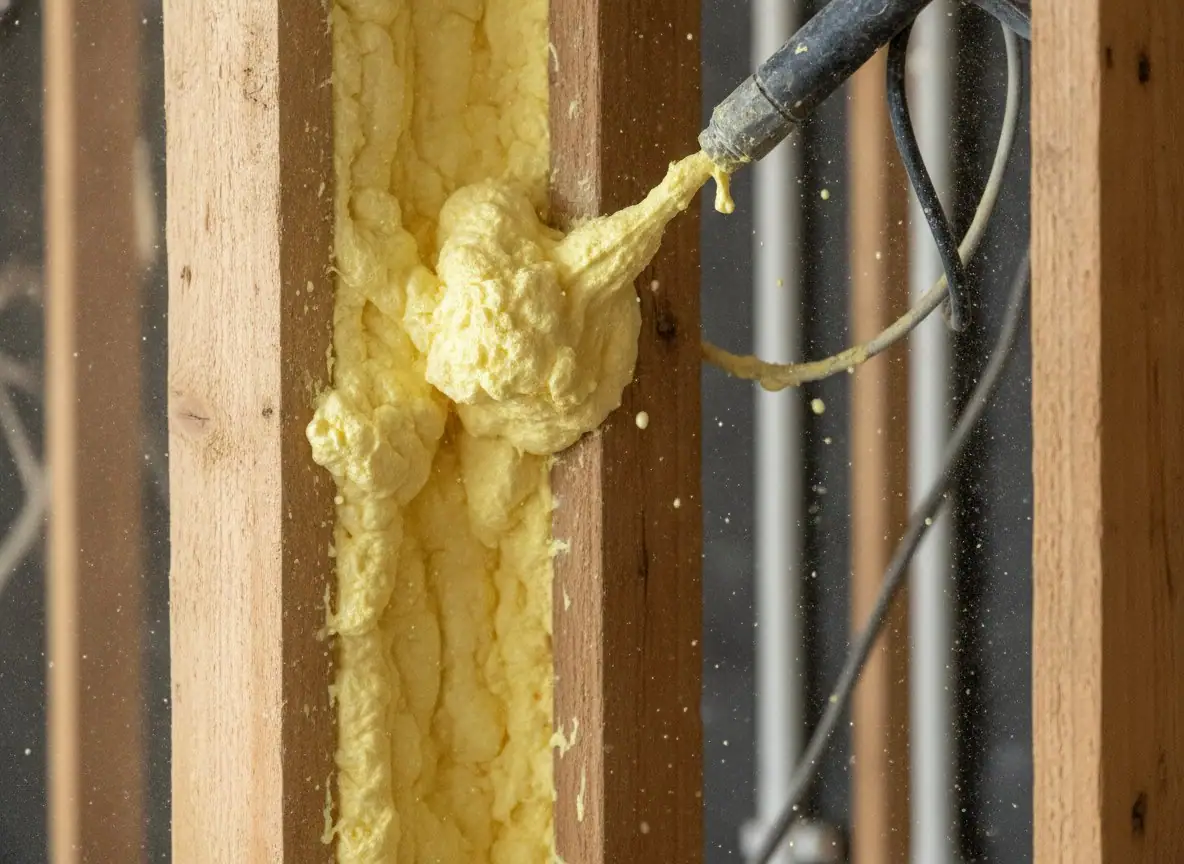
- Closed finished walls (retrofit): Blown-in cellulose is injected through small drilled holes, then patched — minimally invasive and effective. Open-cell spray foam can also be injected in certain wall configurations. Our technicians assess which method suits your wall construction during the free inspection.
- Garage or unconditioned walls: Closed-cell spray foam or rigid foam board are typically better choices because they also act as vapor and air barriers.
Read moreShow less
No single material is best for every situation — the right answer depends on your wall type, your R-value target, and your budget. That naturally leads to the question of how to insulate walls at the lowest possible cost.
What is the cheapest way to insulate walls?
The cheapest way to insulate walls is fiberglass batt insulation installed into open stud bays during a renovation or new build, because the material itself carries a lower cost per square foot than spray foam or rockwool and requires no specialized injection equipment.
For retrofit situations where walls are already finished, blown-in cellulose is typically the most cost-effective option. The process involves drilling small access holes between studs, blowing in dense-pack cellulose, and patching the drywall — lower total labor than opening entire walls.
A word of caution: cheap insulation that is incorrectly installed — wrong density, missing vapor management, or gaps around electrical boxes — loses most of its thermal value and can create moisture problems inside the wall cavity. The lowest upfront quote is not always the lowest lifetime cost. We provide a written breakdown so you can compare materials and methods on equal terms.
Choosing where not to insulate is just as important as choosing what to install.
Where should you not put insulation?
Insulation should not be placed in locations that block required ventilation, cover recessed light fixtures rated IC-only without an airtight barrier, or seal areas that need to remain accessible for plumbing or electrical inspection.
Specific locations that require care in Orange, CA homes:
- Soffit vents and ridge vents: Attic insulation must not block airflow at the eaves. Baffles (vent chutes) are installed first to maintain a clear ventilation channel — a step our technicians complete before any blown-in or batt material is placed.
- Around recessed lighting: Non-IC-rated fixtures require an air gap. Installing insulation against them creates a fire hazard. We either replace the fixture or build an airtight box before insulating.
- Inside HVAC air handler compartments: These spaces need airflow and access; insulating them incorrectly restricts system performance.
- Over bathroom exhaust fan housings: These must vent to the outside, not into the attic. We verify duct termination before adding attic insulation.
- Exterior drainage planes: Foam board applied to foundation walls must not cover weep holes or footing drains.
Knowing what not to do is as valuable as knowing what to install. Once the scope is clear, the next practical question is how to pay for it.
How do financing and insurance claims work for insulation?
Home Comfort Insulation offers financing options so Orange homeowners can proceed with a full project without waiting to save the total cost upfront. Financing is available on approved credit — ask our team for current terms when you call or submit an estimate request.
Insurance claims apply when insulation is damaged by a covered event — most commonly:
- Rodent infestation that contaminates attic insulation (some policies cover removal and replacement)
- Water damage from a roof leak or burst pipe that saturates batt or blown-in insulation
- Fire or smoke damage affecting insulation materials
We help homeowners navigate the insurance claim process, including documenting existing conditions during the inspection, providing itemized scope-of-work descriptions that adjusters can use, and coordinating timelines so removal and replacement happen in the correct sequence. We work with your insurer — not around them.
Read moreShow less
California also offers utility rebates through programs like those administered by Southern California Edison and SoCalGas. Eligibility depends on the measure installed and your current insulation levels; we can advise on which upgrades typically qualify. The most reliable way to understand your full cost — before financing or rebates — is a detailed on-site estimate.
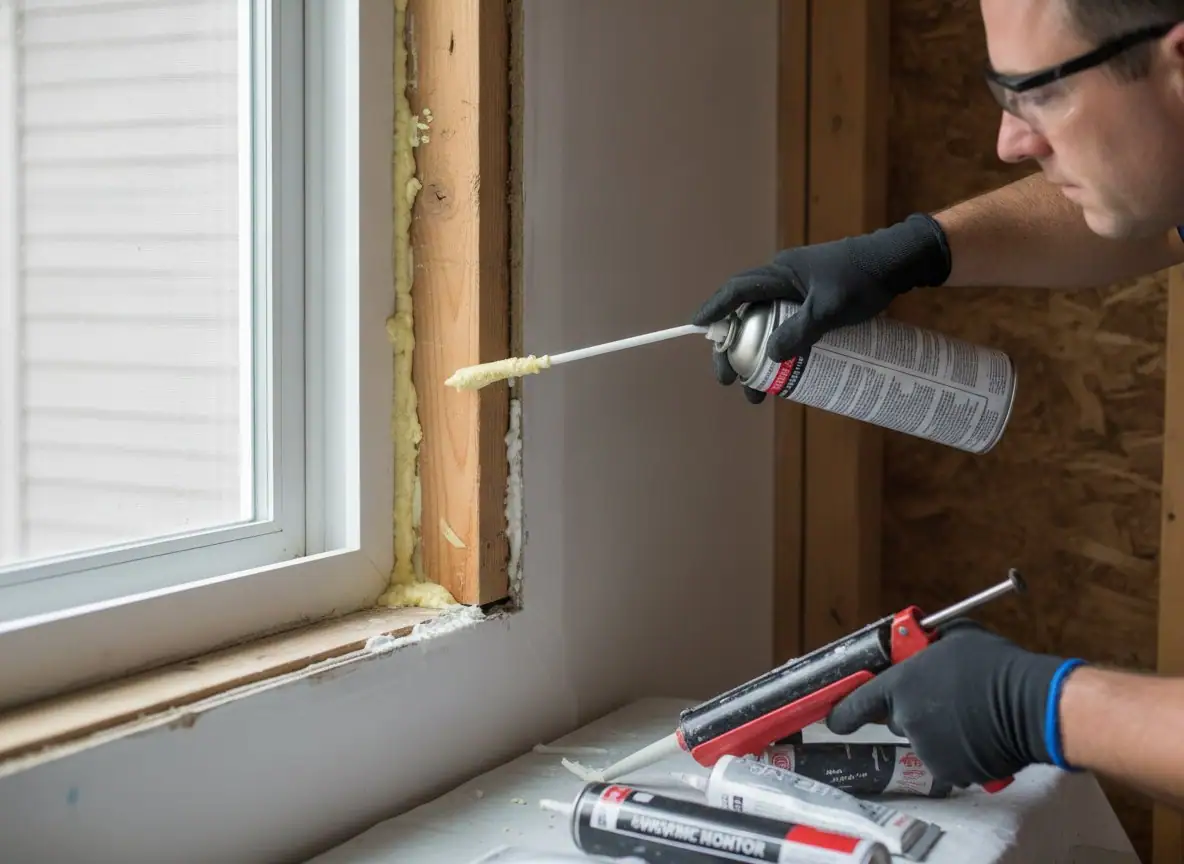
How do you get an accurate free insulation estimate?
An accurate insulation estimate in Orange, CA requires a physical inspection of the home — not a phone call or a square-footage calculator. Here is exactly what happens when you book a free inspection with us:
- Schedule: Call (714) 909-2175 or submit the estimate form on this page. We offer 24/7 availability for emergency situations.
- Inspection day: Our trained technician measures attic area, checks existing insulation depth and condition, inspects wall types, and assesses crawl space or garage if applicable.
- Documentation: We photograph conditions — existing R-value, damage, ventilation gaps — so you have a clear record of the starting point. This documentation also supports insurance claims if relevant.
- Written quote: You receive a written, itemized quote broken down by area, material, and labor. No verbal estimates that change on job day.
- Decision time: There is no pressure to decide on-site. The quote remains valid so you can compare options.
Read moreShow less
One detail that separates an accurate quote from a rough one: our technician checks the insulation at multiple points across the attic floor, not just near the hatch. Insulation depth varies significantly from center to eaves in many Orange County homes, and an inspection that only checks the access point will under-report the total area needing improvement.
Ready to book? Home Comfort Insulation in Orange serves Orange, California and surrounding areas, and our contractor team can walk you through the full range of services. Call (714) 909-2175 to schedule your free inspection today.
Explore Detailed Cost Pages by Insulation Type
Each insulation type and location has its own cost drivers. Use these pages to go deeper on the area that matters most to your home.
- Attic Insulation Cost in Orange, CA
- Spray Foam Insulation Cost in Orange, CA
- Blown-In Insulation Cost in Orange, CA
- Garage Insulation Cost in Orange, CA
- Crawl Space Insulation Cost in Orange, CA
FAQ
FAQ
Does insulation lower energy bills in Orange?
Yes. Orange, CA has long cooling seasons, and an under-insulated attic allows heat to build in the living space, forcing air conditioning to run longer. Adding insulation reduces that thermal load. The reduction in energy use depends on your starting R-value, the material added, and how well the air barrier is sealed — which is why we document existing conditions before quoting.
Which area of the house should be insulated first?
The attic is the highest-priority area for most Orange homes because heat rises and an attic can reach 150°F on a summer afternoon, radiating into rooms below. If the attic is already adequately insulated, the crawl space or exterior walls are the next highest return areas. Our inspection identifies the weakest link in your specific home's envelope.
Why do insulation quotes differ between contractors?
Quotes differ because contractors measure differently, specify different materials, and price labor at different rates. A quote that covers only the attic hatch area will look lower than one that covers the full attic floor. Always ask for a written, itemized quote that states the material, the R-value being installed, and the square footage covered — then compare quotes on those terms, not on the bottom line alone.
Is cheap insulation a good idea?
The lowest-cost material installed correctly will outperform a premium material installed with gaps, compressed batts, or missing vapor management. The risk with the cheapest bid is not always the material — it is the installation quality. Ask any contractor to specify the installed density and how they handle penetrations, recessed lights, and air sealing. If those details are absent from the answer, that is a warning sign.
Does removing old insulation add to the cost?
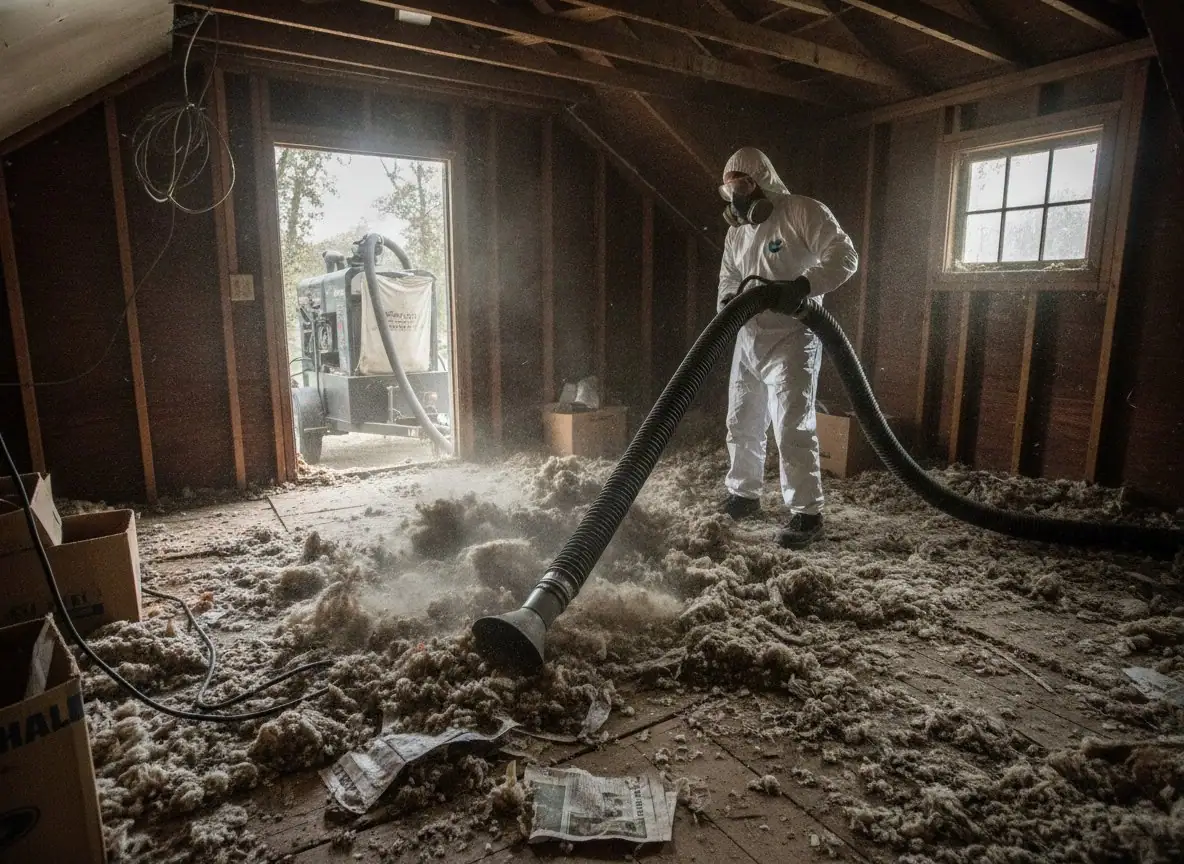
Yes. Removal requires vacuum equipment, disposal bags, and labor time — typically billed per square foot of area cleared. The need to remove depends on condition: if existing insulation is rodent-contaminated, moldy, or fire-damaged, it must come out before new material is effective. If it is simply thin but clean, new material can often be added over it. Our inspection determines which situation applies to your Orange home.
How long does insulation last?
Fiberglass batts and blown-in cellulose typically last 20 to 30 years under normal conditions before significant settling or compression reduces their effective R-value. Spray foam, both open and closed cell, generally lasts longer when properly installed and protected from UV exposure. Rodent activity, water intrusion, and physical disturbance from HVAC work can shorten the lifespan of any material regardless of type.
Home Comfort Insulation serves Orange, California with free inspections, written quotes, financing options, and 24/7 emergency availability. Call (714) 909-2175 to schedule your free insulation inspection in Orange, CA today.
Why choose us
Why choose Home Comfort Insulation?
Free estimates
Get a clear, no-obligation estimate before any work begins.
Licensed & insured
Your property and our crew are protected on every project.
Residential & commercial
One team for homes, multi-family and commercial properties.
Locally owned & operated
A local team serving your community and the surrounding area.
Get in touch
Find insulation help near you
Request a free estimate online or give us a call — our team will follow up quickly.
- Call us(714) 909-2175
- Visit1650 N Glassell St, Orange, CA 92867
- HoursMon-Sun 07:00-19:00