Crawl Space Insulation in Orange, CA
Energy-Saving Crawl Space Insulation for Orange, CA Homes — Licensed & Insured
Crawl space insulation is one of the most effective upgrades an Orange, CA homeowner with a raised-foundation house can make to control energy loss, prevent cold floors, protect pipes and ductwork, and manage moisture year-round. Home Comfort Insulation, an insulation company serving Orange, California, installs and replaces crawl space insulation in vented and sealed crawl spaces across the area. Whether your floors feel cold in January, your HVAC runs longer than it should, or you have noticed musty odors from beneath the house, the right under-floor or perimeter-wall insulation system addresses the root cause. Read through the sections below to understand your options, then call us for a free inspection and written estimate.
What is crawl space insulation?
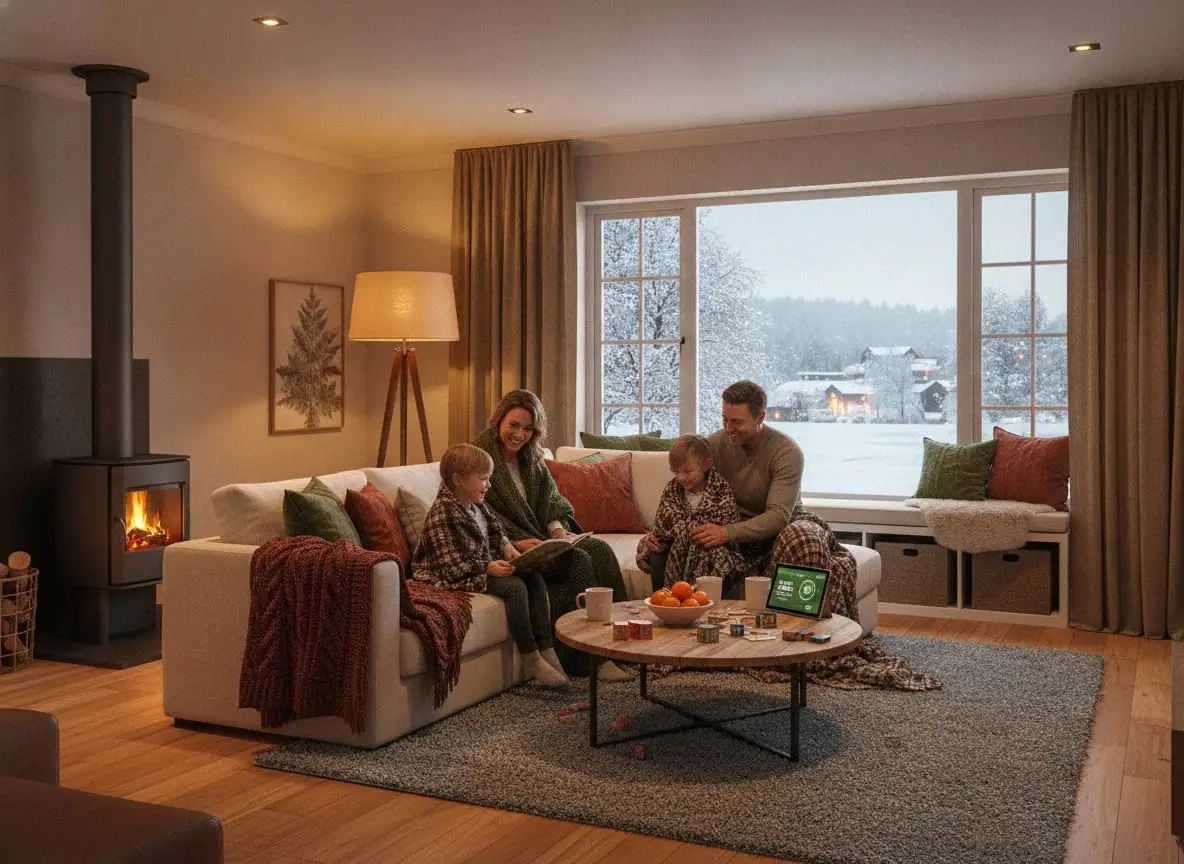
Crawl space insulation is any material installed between a home's living area and the unconditioned or semi-conditioned space beneath a raised foundation to slow heat transfer and reduce air infiltration. It sits either between the floor joists above the crawl space (subfloor insulation), against the interior face of the foundation perimeter walls, or at the rim joists where the floor framing meets the foundation. The goal is to keep conditioned air inside the home and unconditioned air—along with ground moisture and cold—out of the living space. A well-insulated crawl space also protects pipes from freezing during Orange County's occasional cold snaps in December and January, keeps ductwork from losing conditioned air to an unconditioned void, and reduces the chance that ground moisture will condense on cold structural surfaces. Because the crawl space sits at the boundary between two very different environments, choosing the right insulation strategy requires understanding whether the space is vented or sealed—which is exactly what the next section covers.
Should the floor above a crawl space be insulated?
Yes—if your crawl space is vented to the outside, insulating the subfloor between the floor joists is typically the correct strategy, because the floor itself becomes the thermal boundary between conditioned living space and outdoor-temperature air below. Orange, CA sits in IECC Climate Zone 3C, and while winters are mild, ground temperatures still drop enough that an uninsulated subfloor over a vented crawl space allows meaningful heat loss through conduction and air infiltration. Many of the older bungalows and ranch-style homes built in Orange from the 1940s through the 1980s have vented crawl spaces with little or no existing insulation. If those same pipes and ducts run through the crawl space, insulating only the floor puts mechanical systems outside the thermal boundary, where they lose efficiency. That trade-off matters: an HVAC duct sitting in a 45 °F uninsulated vented crawl space loses a measurable percentage of its delivered heating capacity. If the crawl space is sealed and conditioned instead, insulating the perimeter walls brings pipes and ducts inside the thermal boundary, reducing total material needed and protecting mechanicals at the same time. The right answer depends on how the crawl space is configured—which is what the perimeter-walls-versus-subfloor question addresses next.
Free, no-obligation estimates
Talk to Home Comfort Insulation
Tell us what you need and we’ll take it from there.
How can I make my crawl space warmer?
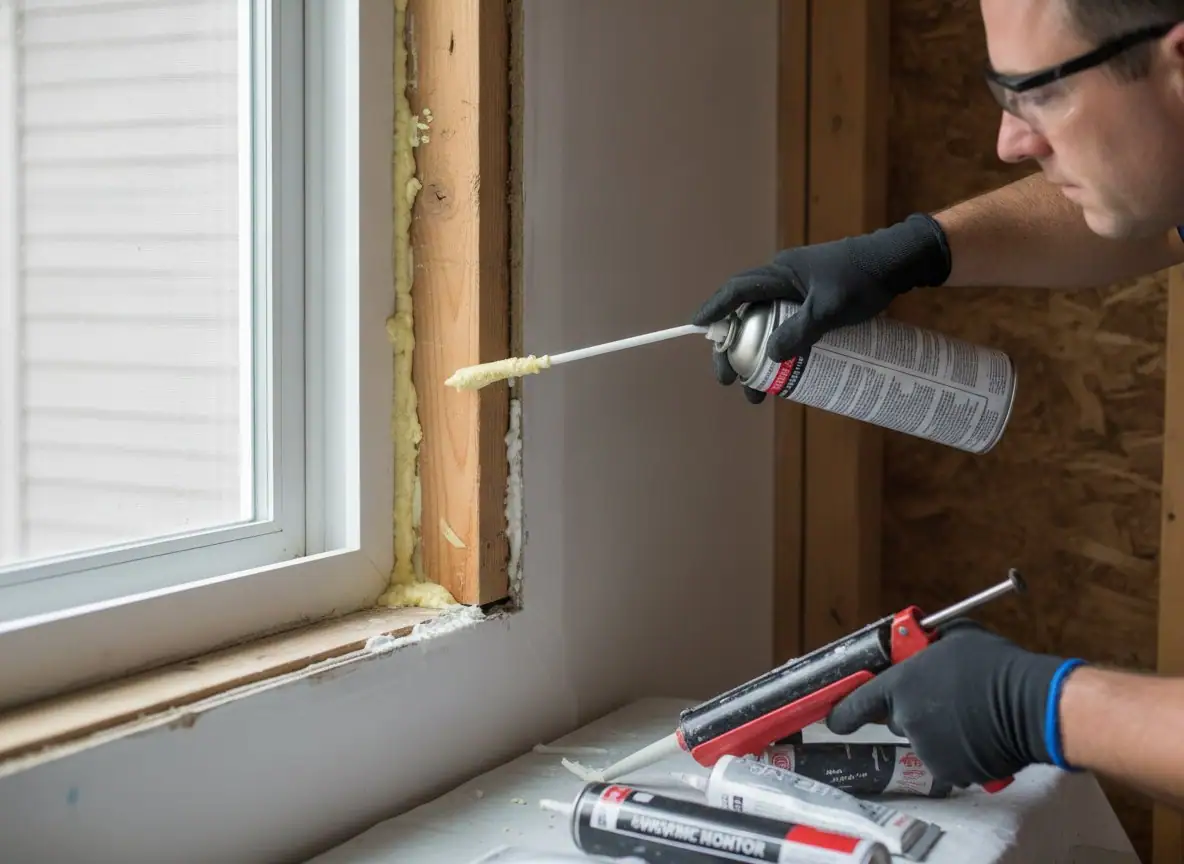
The fastest way to make a crawl space warmer is to seal air entry points—vents, gaps around pipes, and rim joist cavities—and then install insulation appropriate to whether the space is vented or conditioned. In Orange, CA, the most common reasons a crawl space stays cold are uninsulated or missing rim joist insulation, open foundation vents that admit cold night air, and an uninsulated subfloor that lets heat escape upward from the ground. Rim joists are a critical detail: each joist cavity where the floor framing meets the top of the foundation wall is an unprotected gap, and spray foam or rigid foam cut-and-cobbled into those cavities immediately raises floor temperatures. If the crawl space itself needs to be warmer—because pipes or ducts run through it—sealing foundation vents and insulating the perimeter walls converts the space from a vented to a conditioned crawl space. A ground vapor barrier is part of any warming strategy: exposed soil releases moisture that chills the air and accelerates heat loss. Addressing rim joists and the ground barrier are often the highest-impact, lowest-cost first steps, and they feed directly into the larger decision between perimeter-wall and subfloor approaches.
At a glance
Perimeter walls vs. subfloor: which is right for a vented or sealed crawl space?
The correct choice depends on whether the crawl space is vented to the outside or sealed from it.
| Crawl Space Type | Recommended Insulation Location | Why | Key Considerations |
|---|---|---|---|
| Vented | Subfloor (between floor joists) | The floor is the thermal boundary; outside air circulates below | Moisture control critical; unfaced batts preferred; supports needed to prevent sagging |
| Sealed / Conditioned | Perimeter foundation walls + rim joists | Pipes and ducts are brought inside the thermal boundary | Ground vapor barrier required; rigid foam or spray foam on walls; less total material than full subfloor |
| Either | Rim joists | High-infiltration gap regardless of crawl space type | Spray foam or cut-and-cobble rigid foam; immediate energy impact |
Building scientists generally favor sealing and conditioning a crawl space when mechanicals run through it, because the perimeter-wall approach protects pipes and ducts, requires less total R-value material, and eliminates the humid outside air that causes subfloor insulation to sag or grow mold. California's Title 24 energy code establishes minimum R-values for both approaches; Orange County building permits for significant crawl space work may require an inspection. We assess your existing configuration before recommending a direction. Once that direction is clear, our page on the materials we use for each approach explains the options in detail.
At a glance
What types of crawl space insulation do we install?
| Material | Best Use in a Crawl Space | Moisture Resistance | Air Sealing | Pest Resistance | Drawbacks |
|---|---|---|---|---|---|
| Closed-cell spray foam | Rim joists, perimeter walls, subfloor air sealing | Excellent — acts as vapor retarder | Excellent — fills irregular gaps | Good — no food value for rodents | Higher cost; makes framing harder to inspect visually |
| Open-cell spray foam | Subfloor cavities in dry conditions | Moderate — absorbs moisture if present | Very good | Good | Not suitable where moisture is uncontrolled |
| Rigid foam board (XPS, EPS, polyiso) | Perimeter foundation walls, rim joists (cut-and-cobble) | Excellent | Good with foam sealant at edges | Moderate — termites can tunnel through EPS | Requires careful cutting and sealing at seams |
| Fiberglass batts | Vented subfloor between joists | Poor — absorbs moisture, loses R-value when wet | Poor alone | Low — rodents nest in it readily | Sags without wire supports; unfaced required in vented spaces |
| Mineral wool (Rockwool) batts | Vented subfloor, rim joist cavities | Good — hydrophobic, does not lose R-value when damp | Moderate — friction fit reduces gaps | Better than fiberglass — rodents less likely to nest | Heavier than fiberglass; costs more than standard batts |
We carry all of the above materials and select based on your crawl space's moisture levels, existing ventilation, pest history, and budget. Our trained technicians combine materials where appropriate—for example, rigid foam board on the foundation wall with spray foam at the rim joist and a mineral wool batt at the subfloor transition. The installation process for each approach is different, which is what the next two sections cover.
How to insulate a crawl space foundation?
Insulating a crawl space foundation means treating the perimeter walls, the rim joists, and the ground surface as one connected system in a sealed crawl space.
Perimeter Wall and Rim Joist Installation Steps
- Inspection and moisture assessment. We measure relative humidity, check for standing water, wood rot, or existing pest damage, and photograph the existing condition. Skipping this step causes new insulation to trap existing moisture against framing.
- Repair and prep. Any damaged wood, open plumbing penetrations, or deteriorated vapor barriers are addressed before insulation goes in.
- Seal foundation vents (if converting to sealed crawl space). Existing vents are closed and air-sealed so outside humid air cannot enter.
- Rim joist insulation. Each joist bay at the top of the foundation wall is filled with closed-cell spray foam or cut-to-fit rigid foam board sealed at all edges with low-expansion spray foam.
- Perimeter wall insulation. Rigid foam board or closed-cell spray foam is applied to the interior face of the foundation wall from the mudsill down to the footing, meeting or exceeding Title 24 R-value requirements for Climate Zone 3.
- Ground vapor barrier. A heavy-duty polyethylene barrier (typically 10–20 mil) is laid over the soil, overlapped at seams, and sealed at the perimeter walls to block ground moisture from entering the conditioned space.
- Final inspection. We verify coverage, check for gaps at penetrations (pipes, posts, columns), and document the finished installation.
For vented crawl spaces where subfloor insulation is the right choice, the process differs in key ways—covered in the section immediately below.
How can I insulate a floor over an unheated space?
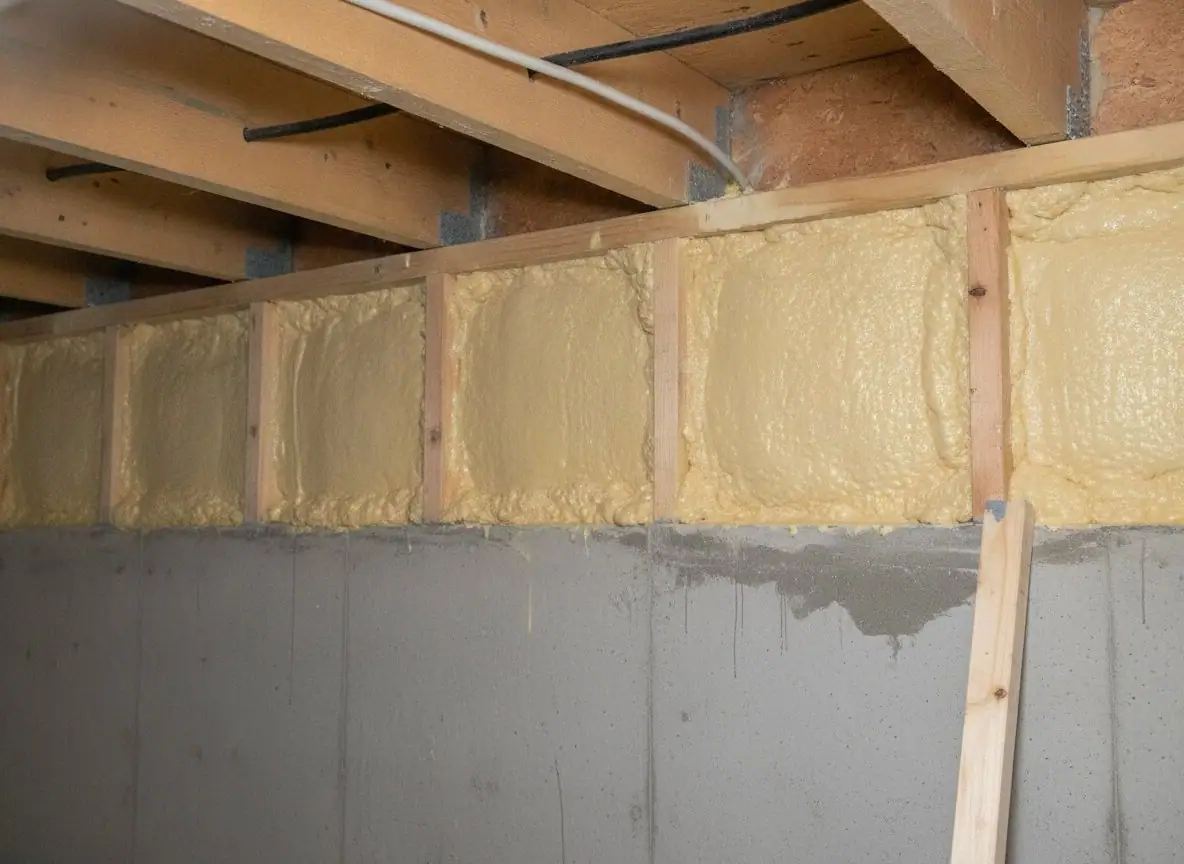
Insulating a floor over an unheated or vented space means filling the joist bays between the subfloor and the top of the crawl space with material that creates a thermal break without trapping moisture against the wood above.
Subfloor (Underfloor) Installation Steps
- Remove existing failed insulation. Old sagging fiberglass batts are removed and disposed of properly. Leaving failed material in place traps moisture and reduces effective R-value.
- Inspect and clean joists. Wood is inspected for rot, mold, or pest damage before new material is installed.
- Air-seal penetrations. Gaps around pipes, wires, and ducting that pass through the subfloor are sealed with spray foam to block air movement even before the main insulation goes in.
- Install insulation between joists. Mineral wool or unfaced fiberglass batts are cut to fit snugly between joists. For higher performance, closed-cell spray foam is applied directly to the underside of the subfloor.
- Install wire supports or netting. Batts require wire rods, insulation supports, or netting stapled to the joists to hold the material in contact with the subfloor and prevent sagging over time. This step is frequently skipped on DIY installations, which is why sagging is so common.
- Rim joist treatment. Rim joist bays are insulated as a separate step regardless of which approach is used for the main subfloor area.
- Ground moisture barrier. Even in a vented crawl space, a ground vapor barrier significantly reduces the moisture load that would otherwise condense on insulation and joists.
Read moreShow less
Pest and Moisture Callout: In Orange, CA, ground moisture from seasonal rains and clay-heavy soils in parts of Orange County accelerates fiberglass batt degradation. Moisture-laden fiberglass loses R-value and becomes a nesting site for rodents. Where pest activity has been noted, mineral wool is the preferred batt material because rodents are less likely to tunnel through it, and it retains its R-value when damp. If rodent intrusion has occurred, we offer insulation removal and replacement along with rodent-resistant insulation as a combined service.
Do mice chew through rockwool insulation?
Mice and rats are significantly less likely to nest in or chew through mineral wool (Rockwool), also sold as rockwool insulation, than in fiberglass batts, though no insulation material is completely rodent-proof. Mineral wool's dense, inorganic fiber structure offers no nesting comfort and no food value, making it a poor habitat choice compared to the soft, loosely packed structure of fiberglass. In crawl spaces with a known rodent history, we recommend mineral wool batts in combination with entry-point exclusion work rather than relying on insulation material alone to solve the problem. Closed-cell spray foam at rim joists also eliminates the small gaps rodents use to enter from outside. The pest and moisture risks in a vented subfloor installation connect directly to a broader question about how much insulation any part of the system actually needs—which the next section explains.
What is the 2/3 rule of insulation?
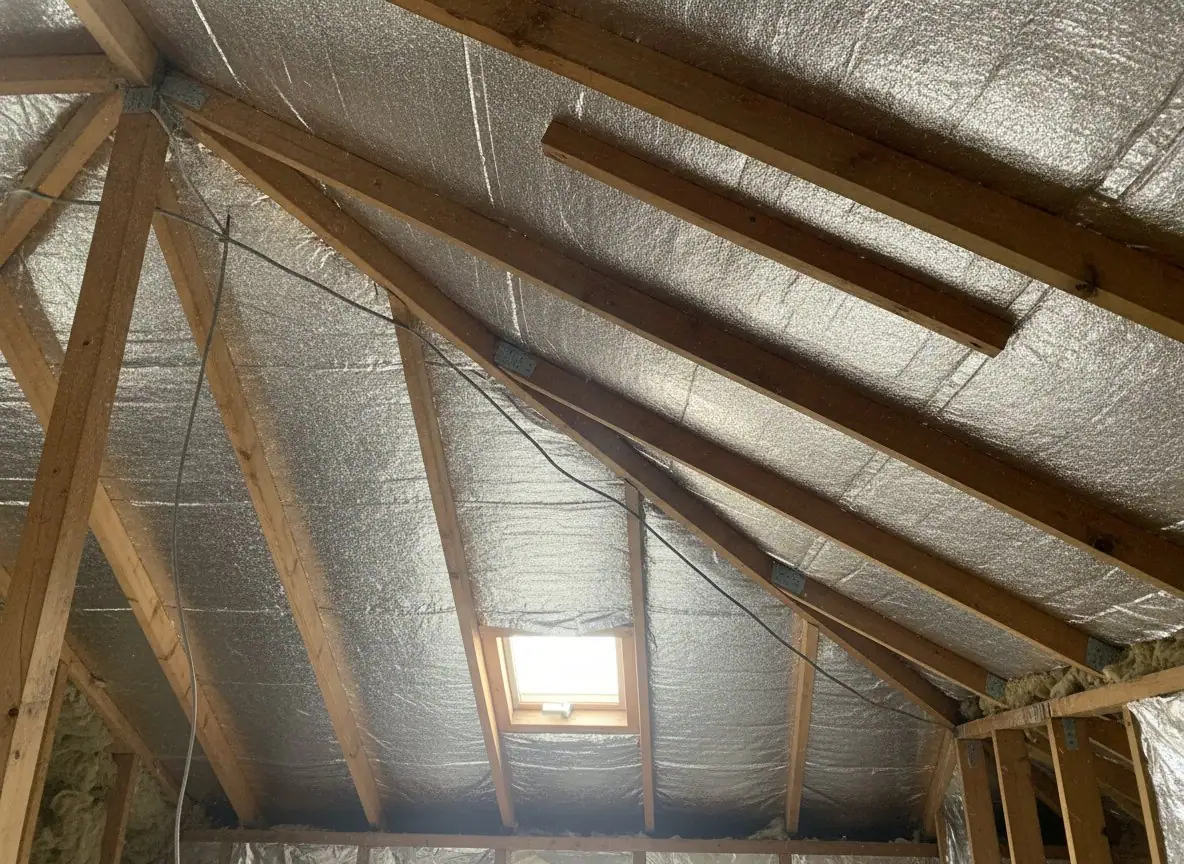
The 2/3 rule is a building-science guideline that applies primarily to condensation control in cold climates: in an assembly with both air-permeable and air-impermeable insulation layers, at least 2/3 of the total R-value should come from the impermeable layer on the cold side to keep the dew point outside the permeable material and prevent condensation. In practice, this rule is most relevant in Climate Zones 5 and above, where it governs combinations like rigid foam board plus fiberglass batts in wall or roof assemblies. In Orange, CA's Climate Zone 3C, the 2/3 rule rarely drives crawl space design decisions because winter temperatures are mild and dew-point risks in the assembly are lower. What matters more in this climate is moisture from the ground below and humid summer air entering through foundation vents—both managed by vapor barriers and correct vent or sealing strategy rather than by the 2/3 ratio. We apply the rule where material combinations require it and explain which conditions trigger its use during the inspection. Cost is usually the next question homeowners have after understanding which materials and rules apply.
At a glance
How much does crawl space insulation cost in Orange, CA?
We provide written estimates after a free on-site inspection because no honest price can be given without seeing the crawl space. The factors below are what actually drive the final crawl space insulation cost in Orange, and the cost page goes deeper into how each one affects the total.
| Cost Factor | How It Affects Price |
|---|---|
| Crawl space square footage | Larger area requires more material and labor time |
| Crawl space height / access | Low-clearance spaces (under 18 in.) slow installation significantly and increase labor cost |
| Vented vs. sealed approach | Sealing requires vent closure, vapor barrier, and perimeter work in addition to insulation |
| Material selected | Closed-cell spray foam costs more per sq ft than batts; mineral wool costs more than fiberglass |
| Removal of existing insulation | Tear-out of old failed batts adds labor and disposal cost |
| Damage repair needed | Wood rot, mold remediation, or pest damage repair adds scope before new insulation can go in |
| Rim joist and vapor barrier work | Often priced as add-on scope if not originally quoted |
| Permit requirements | Orange County may require permits for certain scopes; permit fees and inspection scheduling add cost and time |
| Financing | Financing is available; ask about options when you schedule your inspection |
Home Comfort Insulation also works with homeowners on insurance claims where crawl space damage from water intrusion, pests, or other covered events is involved. After your free inspection, we provide a written, itemized quote with no obligation.
Why choose Home Comfort Insulation for your Orange crawl space?
Home Comfort Insulation has been serving Orange, California homeowners with crawl space insulation installation, removal, and replacement since 2005. We are licensed, insured, and bonded, and our trained technicians handle every material type—spray foam, rigid foam board, mineral wool, fiberglass batts, and vapor barrier systems—so the recommendation you receive fits your actual crawl space rather than what happens to be in stock. We offer free inspections and free written estimates, 24/7 emergency service for urgent situations, and financing for homeowners who need it. We also assist with insurance claims when crawl space damage is covered under a homeowner's policy. Our service area covers Orange, CA and surrounding communities in Orange County. To see what other homeowners say about our work, we invite you to read our Google reviews directly.
FAQ
FAQ
Is under-house insulation worth it in Orange's mild climate?
Yes. Orange, CA winters are mild compared to inland California, but nighttime temperatures regularly drop into the low 40s °F from December through February, and ground temperatures stay cool enough to pull heat out of an uninsulated subfloor year-round. Energy savings from subfloor or perimeter-wall insulation are smaller than in colder climates but still meaningful, and the comfort benefit—warmer floors and more consistent room temperatures—is noticeable immediately. Pipe and duct protection and moisture management add value beyond the energy savings alone.
Do I need a vapor barrier on the ground in my crawl space?
Yes, in almost every Orange-area crawl space. Even during dry months, exposed soil releases moisture vapor that condenses on cool joists and insulation surfaces. Orange County soils vary, but clay-rich areas retain ground moisture long after rain. A heavy-duty vapor barrier (10–20 mil polyethylene) installed over the entire ground surface and sealed at the perimeter walls is a standard part of any crawl space insulation project we complete, whether the space is vented or sealed.
Can you insulate rim joists and sill plates on their own?
Yes. Rim joist insulation is a standalone service and one of the highest-impact, lowest-cost crawl space improvements available. Each joist bay at the top of the foundation wall is an open gap that allows outside air to enter directly into the floor assembly. We cut rigid foam board to fit each bay and seal all edges with spray foam, or apply closed cell spray foam directly. Sill plates are air-sealed at the same time. This work can be completed independently of a full subfloor or perimeter-wall project.
Is basement insulation handled the same way as crawl space insulation?
The principles overlap but the execution differs. True basements (fully below-grade spaces with headroom) are uncommon in Orange, CA due to the region's geology and construction history. Where a below-grade or semi-below-grade space exists, the insulation strategy—perimeter walls vs. ceiling—follows the same conditioned-vs-unconditioned logic as a crawl space. The materials used (rigid foam board, spray foam) and the moisture-management requirements are similar. We assess below-grade spaces on a case-by-case basis during the free inspection.
What is the difference between crawl space insulation and encapsulation?
Crawl space insulation controls heat transfer between the living space and the crawl space. Encapsulation is a broader moisture-management system: it seals the crawl space from the outside environment with a continuous vapor barrier on the ground and walls, closes or blocks foundation vents, and sometimes adds a dehumidifier. Encapsulation typically includes insulation as one component but adds the full air and moisture barrier system. Home Comfort Insulation offers both crawl space insulation and full crawl space encapsulation in Orange; we explain which scope is appropriate after the inspection.
Can crawl space insulation help protect pipes and ducts?
Yes. Pipes running through an uninsulated vented crawl space are exposed to outside air temperatures and risk freezing during cold snaps, which occur in Orange, CA during December and January cold fronts. Insulating the perimeter walls of a sealed crawl space brings pipes and ducts inside the thermal boundary, protecting them from temperature extremes. Ductwork in an uninsulated crawl space loses conditioned air to the unconditioned void around it; bringing ducts inside the thermal envelope through perimeter insulation reduces that loss without adding duct wrap to every individual run.
Ready to find out what your Orange, CA crawl space actually needs? Call Home Comfort Insulation in Orange at (714) 909-2175 to schedule your free crawl space inspection and receive a written estimate at no obligation. We serve Orange, California and surrounding communities throughout Orange County.
Get in touch
Find insulation help near you
Request a free estimate online or give us a call — our team will follow up quickly.
- Call us(714) 909-2175
- Visit1650 N Glassell St, Orange, CA 92867
- HoursMon-Sun 07:00-19:00